


Pre & Post Bariatric Surgery Diet Guidelines
Proper nutrition before and after bariatric surgery plays an important role in recovery, healing, and long-term success. This guide outlines the different dietary stages, nutritional recommendations, and eating guidelines designed to help support a smoother transition throughout your bariatric journey.
What Are The Diet Guidelines of Bariatric Surgery?
Your doctor and dietician will give you specific instructions about your bariatric surgery diet that must be strictly followed before and after the surgery. In the first few weeks after surgery, your stomach can only handle small amounts of soft foods and liquids while you are healing. It is important to try to sip water throughout the day to avoid becoming dehydrated. You may notice that your bowel movements are not regular right after your surgery. You may need to take stool softeners.
Bit by bit, you will be able to add solid foods back into your diet. You must be careful to chew food well and to stop eating when you feel full, as this is particularly important with a Gastric Sleeve diet. Keep in mind that the surgery makes your stomach smaller; hence you will feel full more quickly. If you drink a lot of high-calorie liquids such as soda or fruit juice, you may not lose weight. If you continually overeat, the stomach may stretch with time. And again, as you feel better and lighter every day, don’t forget your daily 30-45 minute walk!
More About Your Diet Guidelines
Pre-Surgery Guidelines
Your doctor will refer you to an expert registered dietitian before surgery takes place. The dietitian will educate you about the diet you will have to follow before surgery. There are four stages of diet that will be explained to you, with different meal options that suit each stage.
The pre-operative diet will be similar to the Stage I diet after surgery, which is the first week post-surgery diet. It consists mainly of a low sugar, high protein liquid diet. Taking your daily 60-70 grams of protein is a must. No solids, carbohydrates, carbonated drinks or caffeine food should be taken in this stage.
This not only will serve to get you familiar with the post-operative diet, but it will also help shrink your liver by 20-25%, which is crucial to having an easier surgery with less complications.
Post-Surgery Guidelines
The dietitian will educate you about the diet you will follow after surgery. This diet will be divided into four stages.
Your doctor and dietitian will ensure that you are well familiarized with the 4 stages of the diet, in addition to the different meals and their compositions. Your surgeon may modify the stages and/or combine two stages at each visit in the few months following the surgery, if needed. Everything will be shaped to fit your particular weight loss progress and maintain your neo-stomach as created by your surgeon, in order to achieve the best possible results.
Additional Advice
At any stage you can have:
- Canned soups, homemade soups (vegetable, meat, poultry contents should be overcooked or blended in Stage III). However, limit cream soups.
- Sugar-free jello, sugar free popsicles, pedialyte, popsicles, sugar-free/fat-free ice cream.
- Artificial sweeteners that are acceptable: NutraSweet/ Equal, Sweet n’Low/ Saccharine and Splenda/ sucralose/Stevia.
- Flat diet soda, skim milk, crystal light, decaf coffee and tea, all broths, and any other sugar free beverages.
- Consume only the foods allowed on the diet (essential in the first 4 weeks) until informed otherwise by your MD.
- Eat slowly and chew thoroughly⎯at least 25 times!
- Avoid concentrated sugars, especially those in liquid form. They are filled with non-nutrient calories and slow down weight loss.
- Limit fats and fried foods; they are concentrated sources of calories.
- Remember the stomach can only hold 4-6 oz after surgery. You will probably feel satisfied after 2-3 tablespoons of food. Do not overeat! Over time your stomach will stretch. It takes 6-9 months (possibly longer) for your new stomach size to stabilize and allow you to determine your normal meal amount.
- Stop eating when you feel comfortably satisfied⎯if ignored, vomiting will follow, and you can stretch the size of the stomach. If you are unable to keep anything down and are having extreme difficulty staying hydrated, sip on Gatorade which also has electrolytes necessary for normal cell function. Once you feel better, return to non-caloric beverages such as water and diet drinks.
- Drink at least 6-8 cups (8oz) of fluid per day to prevent dehydration. Monitor for the following signs: headache, dizziness, nausea, lethargy, dark urine.
- Stop drinking liquids 15 minutes before meals and resume 30-45 minutes after meals.
- Eat 3 small nutrients dense meals + 1 high protein snack a day.
- Meals should include: protein first, then fruits and vegetables, and then whole grains.
- Set up a schedule for supplements (vitamins, minerals and protein shakes) and medications; remember to take Calcium with meals and separate from iron supplements.
- Introduce new foods one at a time in order to rule out intolerance.
- If a food is not tolerated, reintroduce it in 1 week. If you cannot tolerate dairy, substitute lactate for milk. You may need to take lactose pills with dairy, to help digest the lactose. You can also try soy milk fortified with calcium and vitamin D.
- Exercise! This is the key to long term weight loss and maintenance. Walking 30-45 minutes daily should be the main exercise for the first 6 weeks. Between 6-8 weeks, more strenuous exercises can be added.
Foods to AVOID in All Stages
- Soft bread and Rice.
- Spaghetti and other pastas – Macaroni and Cheese.
- Raisins, prunes, and other dried fruit (these are too sweet).
- Granola and other Cereals with nuts.
- Raw fruits and vegetables, buts and popcorn.
- Chips and crackers.
- Tough or chewy meat.
- Whole pieces of corn or whole peas ( puree before eating).
- High fat foods (butter, margarine, oil, regular mayonnaise, sour cream, cream cheese, salad dressing, whole milk, half and half, ice cream, cookies, pies, other desserts, bacon, and sausage.)
The Four Stages of Gastric Sleeve Diet
Bariatric Surgery Clears
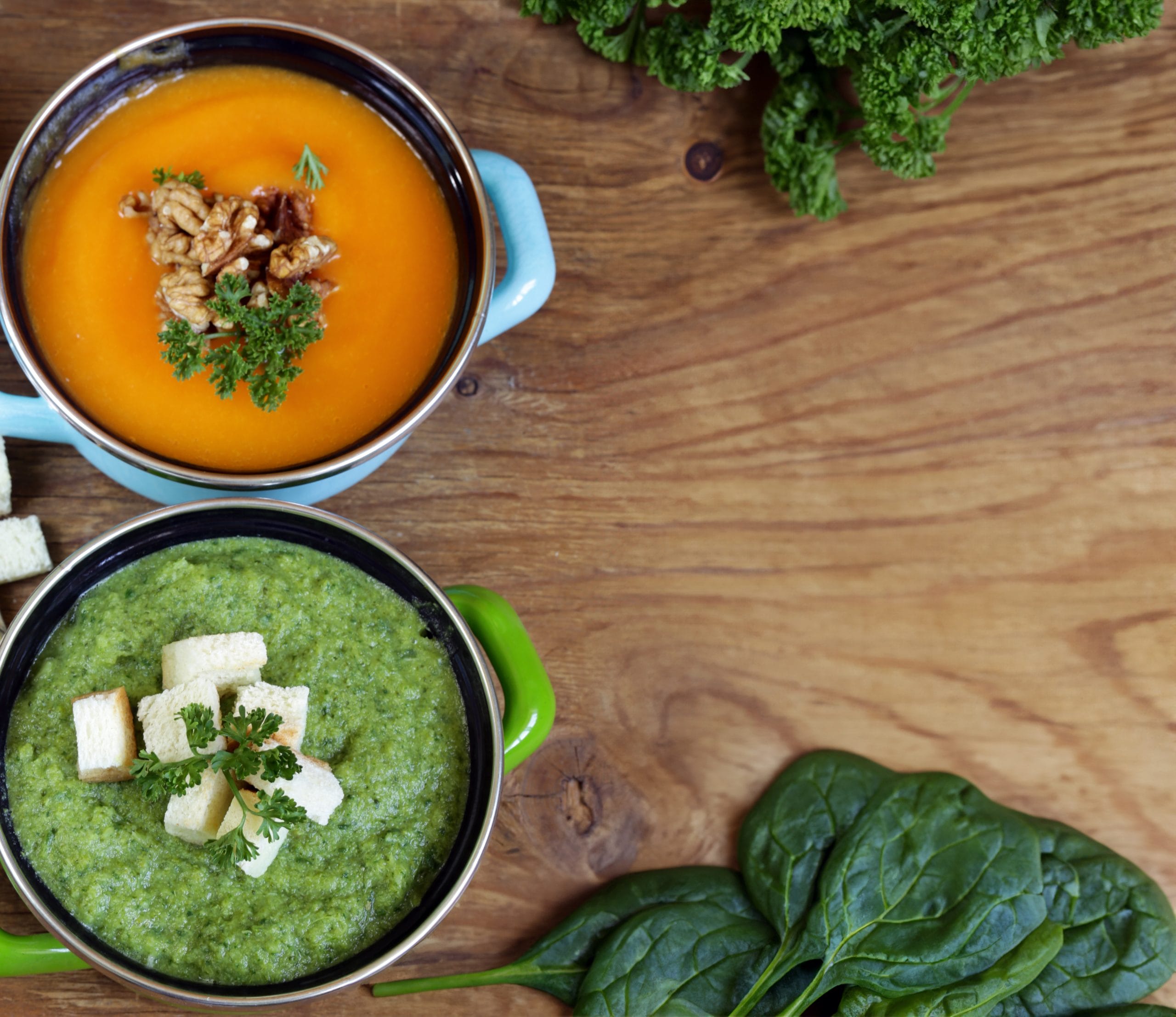
In the hospital you will receive 2-4 meals of clear, sugar free liquids, along with a high protein shake. It will begin immediately after surgery or after the results of your “swallow test” are back. Your surgeon will ask you to start the following diet at least 2 weeks before surgery:
What to Remember:
- Drink water, caffeine free coffee and tea, broth, sugar-free jello, and Gatorade.
- Try to sip fluids at the rate of 1 to 2 Tbsp. (15 -30 mls) every 15 minutes.
- No straw no carbs no carbonated: Sipping fluids out of bottles or straws may cause gas. Gas is already a problem after surgery so you will not want to make it worse.
- Protein Shakes: These must be high protein (20-40 grams/serving) AND low in sugar (less than 5 grams/serving). You must read product labels to determine the nutritional value. There are 2 types of protein shakes: Pre-mixed and powders mixed with milk.
- Directions for powders: Add protein powder by the scoop/tablespoon to 8 oz Skim Milk or Fat Free Lactaid daily. You may choose to drink your shake in 2-4 servings.
- After surgery you will need at least 60 grams of protein a day: In order to meet your protein needs, protein shakes such as the ones listed above will supplement your meal plans. Once you are able to get enough protein from your food, you will not need to continue using protein shakes on a daily basis.
- Gatorade can be used in the hospital and should be discontinued when you return home. If you experience diarrhea or vomiting, Gatorade can be used during that time to help rehydrate.

Bariatric Surgery Full Fluid
After one week from your surgery date, you will progress to a diet composed mainly of milk products, low in fat and with no sugar. You will remain on this diet until you follow-up with your MD one week later.
What to Remember:
- You can have foods like sugar-free pudding, low fat yogurt, thin creamed soups, and sugar-free sorbet. You can sip about 60ml (about a quarter cup) each hour. Slowly increase the amounts according to your tolerability
- You can also continue to drink the clear liquids from Stage 1.
- It is up to you to control how much you consume. Continue with the high protein liquid shake in order to consume 60 grams or more of protein every day.
Bariatric Surgery Pureed Foods
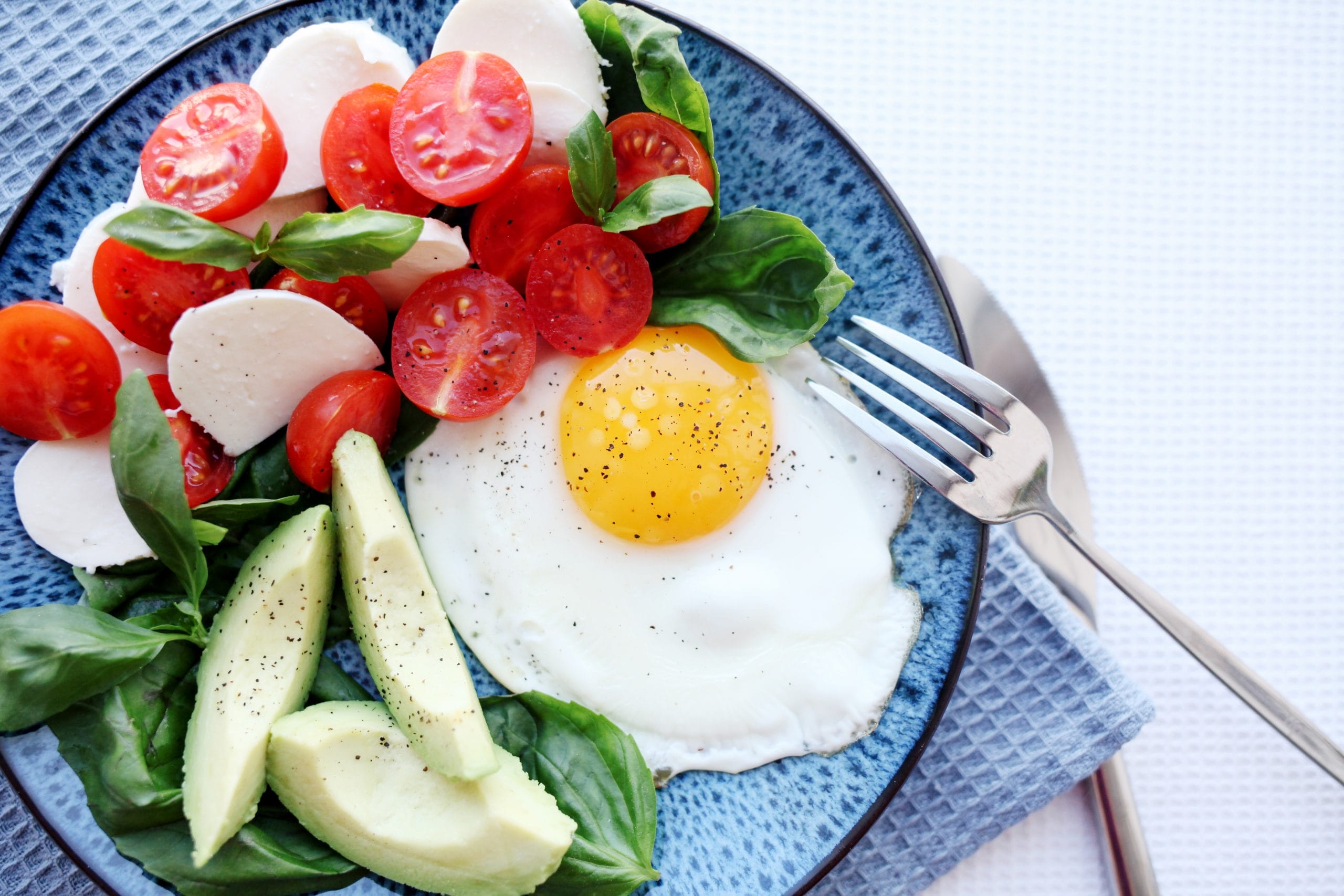
If you tolerate the Stage 2 well, you may start Stage 3 with the consult of your MD/Dietitian one week later.
What to Remember:
- Blenderized meat and poultry, soft poached eggs.
- Low fat cottage cheese, sugar free puddings.
- Unsweetened applesauce, pureed canned peaches ( not in syrup), mashed ripe bananas.
- Blended soft cooked vegetables, or overcooked and mashed with a fork.
- Oatmeal, Cream of wheat.

Bariatric Surgery Soft and Semi-Solid Diet
If you can tolerate the items in Stage 3, then after the third week post-surgery, you will gradually advance to soft diet and semi-solids once you meet with your MD. This is a modified diet with emphasized lean protein, well-cooked fruits/vegetables, and whole grains, while it de-emphasizes fat and sugar.
What to Remember:
- This diet is very individualized. It is normal to experience intolerances. Try to reintroduce that food a week later while focusing on eating slowly, chewing thoroughly, and not overeating.
- You will eventually be able to tolerate a variety of foods from each of the 4 food groups.
Post-Surgery Supplements (Vitamins)
Multivitamin

The first supplement you will likely take after bariatric sleeve surgery is a multivitamin [MVI]. Immediately after surgery, you may need to take chewable or liquid vitamins because you may have trouble swallowing tablets. Bariatric multivitamins are available and typically contain vitamins A, D and E.
Calcium
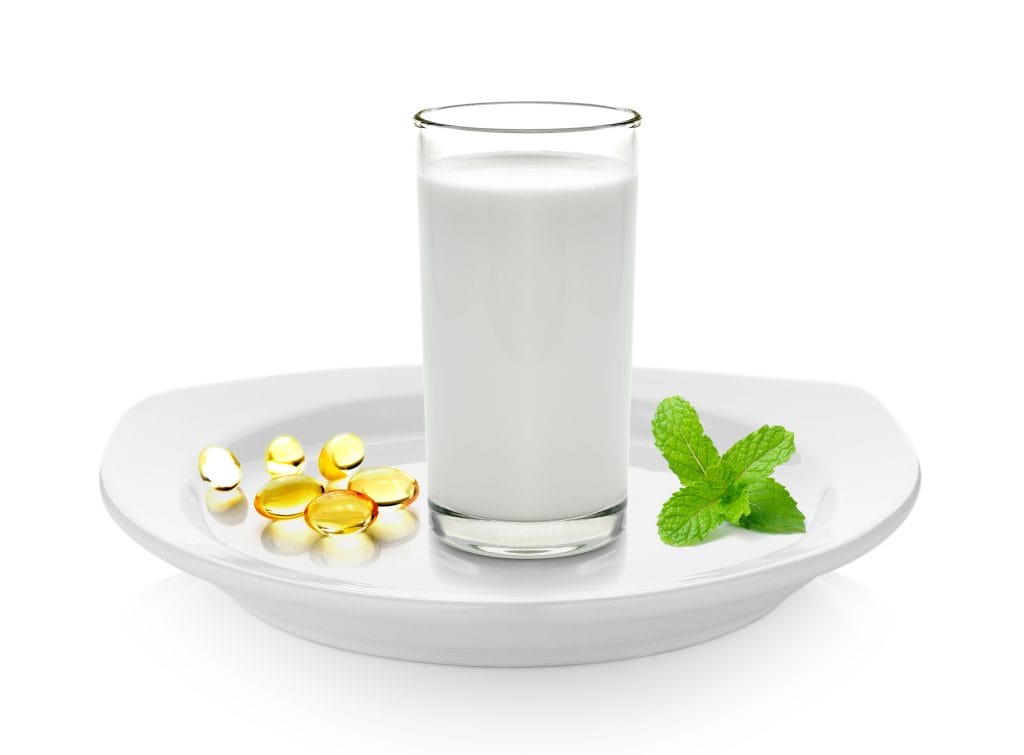
While your multivitamins may contain some calcium, it may not be enough to compensate for calcium losses in your daily diet. Because you need calcium for healthy bones and teeth, you may need to take a calcium supplement that contain 1,000 to 1,500 mg of calcium.
Calcium citrate is the preferred form of calcium. Your body can only absorb about 500 mg of calcium at a time, so you may wish to separate your supplements into three (3) servings over the course of your day. (Take with meals and not at the same time as the iron supplement).
Vitamin D
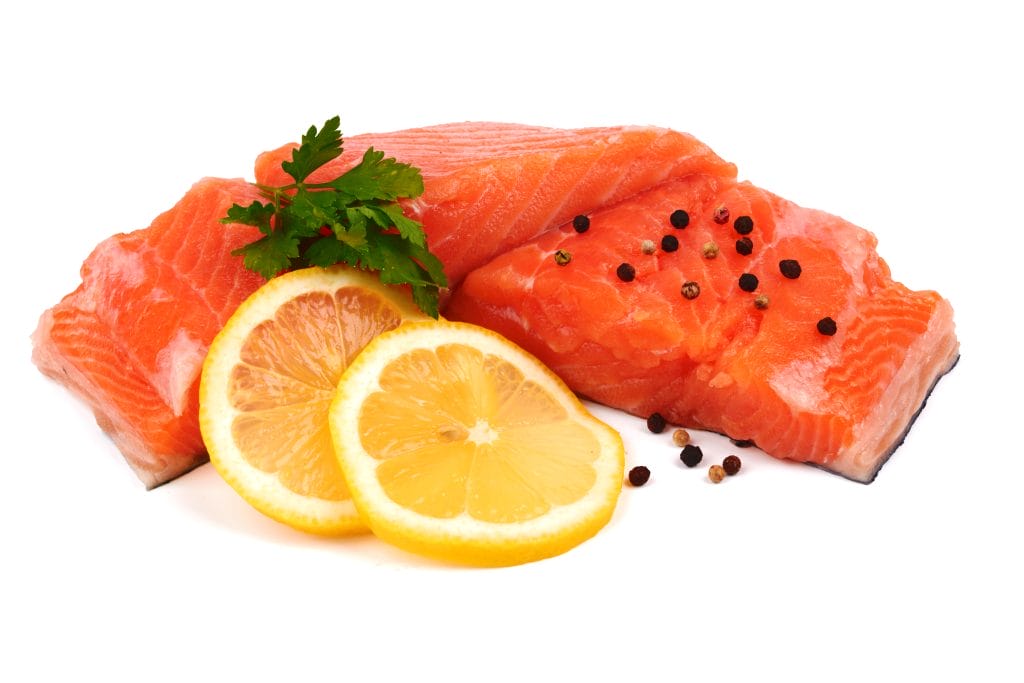
Vitamin D is required to help you absorb calcium in your body. This vitamin is difficult to get in your daily diet and even more difficult following bariatric sleeve surgery.
Take at least a 1,000 IU vitamin D supplement each day to ensure you get enough of this vitamin. Take 2,000 IU of Vitamin D3 per day (it may come combined with the calcium).
Vitamin B12
Vitamin B-12 is necessary for brain functioning and building red blood cells. This vitamin binds to intrinsic factor, which is secreted by the stomach, for absorption. During laparoscopic gastric bypass, the portion of the stomach responsible for making intrinsic factor is bypassed.
The lack of intrinsic factor decreases the amount vitamin B-12 absorbed by the body after gastric bypass and to a lesser extent after gastric sleeve surgery as well. As such, you should take a vitamin B-12 supplement that is either liquid or dissolves on the tongue. Take at least 500 micro-grams of vitamin B-12 per day to ensure you get enough vitamin B-12 in your diet.
Iron
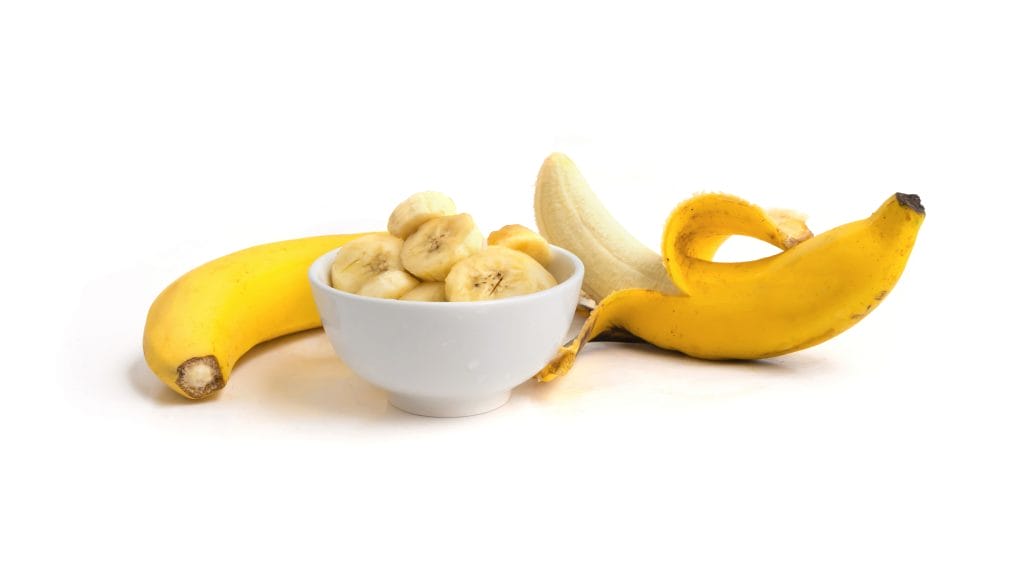
Iron is needed to build healthy red blood cells in your body, and a lack of it leads to fatigue and feeling weak. Taking iron supplements can upset your stomach, which is why you should choose iron supplements that contain ferrous fumarate, ferrous sulfate or ferrous supplementation.
However, these supplements have to be taken with a gap of two hours in between doses. Note: Ask your dietitian about available options and required doses.
Questions About Pre or Post Bariatric Surgery Diet?
Contact us at Panacea Clinic and we’ll be more than happy to answer all of your diet-related bariatric surgery questions.