


If you are comparing gastric sleeve vs gastric balloon, you are likely looking for a weight-loss option that feels realistic, effective, and appropriate for your health goals. Both treatments can help support meaningful weight loss, but they are very different procedures.
Gastric sleeve surgery is a permanent surgical procedure that reduces the size of the stomach. Gastric balloon treatment is a temporary, non-surgical option that takes up space in the stomach to help you feel full sooner. One is designed as a long-term bariatric surgery option, while the other may be better suited for patients looking for a less invasive starting point.
At Panacea Clinic in Hamilton, both options are offered as part of a broader bariatric surgery and weight-loss program. Understanding how each treatment works can help you ask better questions, compare your options more clearly, and decide whether a consultation is the right next step.
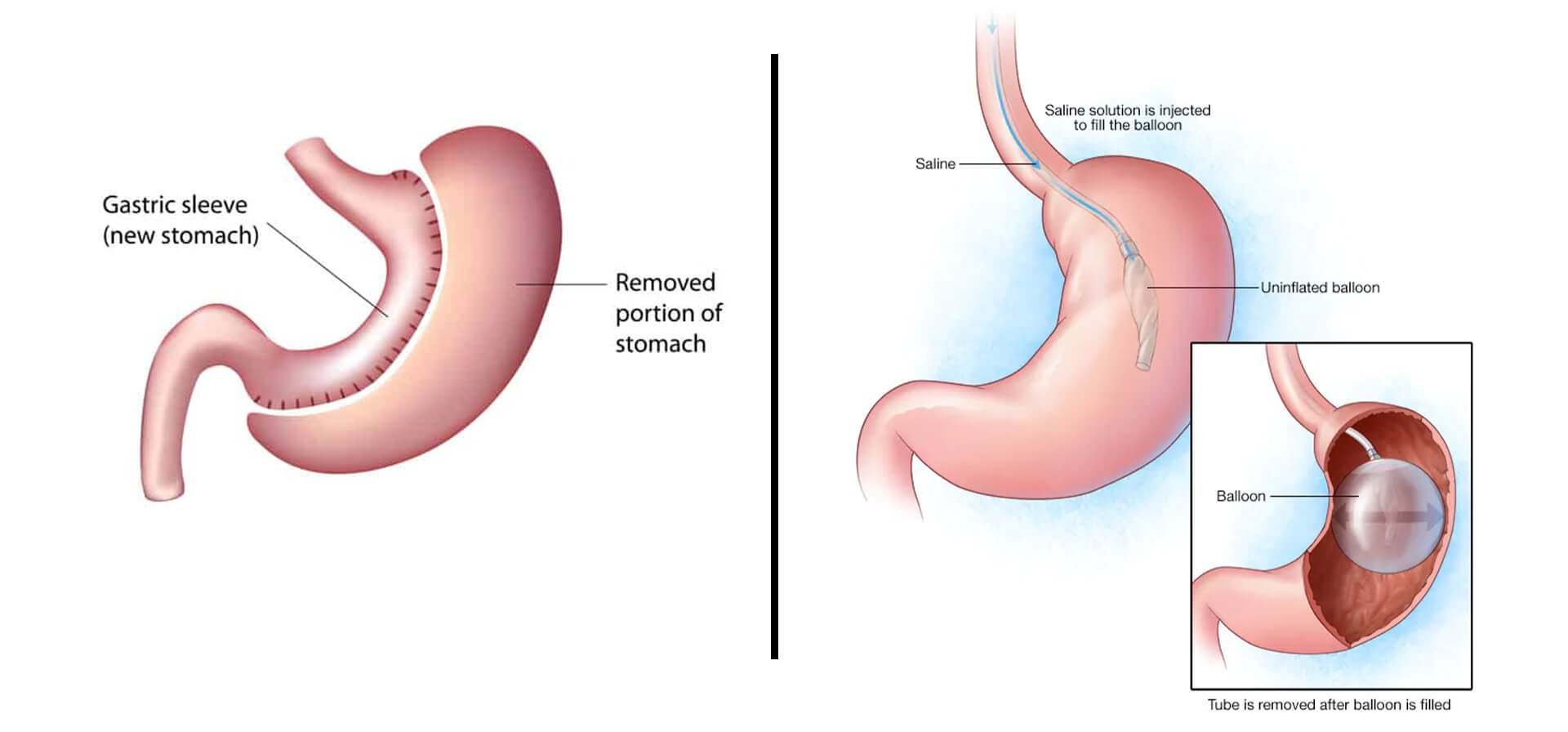
Quick Answer: Gastric Sleeve vs Gastric Balloon
Gastric sleeve surgery is usually the stronger option for patients seeking significant, long-term weight loss and who are ready for a permanent surgical procedure. It reduces the size of the stomach, supports earlier fullness, and can affect appetite-related hormones.
Gastric balloon treatment is usually the less invasive option for patients who want a temporary, non-surgical treatment that helps with portion control. It does not permanently change the stomach or intestines, but weight loss is generally more modest and depends heavily on lifestyle changes.
The right choice depends on your BMI, health history, weight-loss goals, comfort with surgery, reflux symptoms, previous procedures, and readiness for long-term dietary changes.
Understanding the Main Difference Between Gastric Sleeve and Gastric Balloon
The biggest difference between gastric sleeve and gastric balloon is permanence.
Gastric sleeve surgery permanently changes the size of the stomach. A large portion of the stomach is removed, leaving a smaller, sleeve-shaped stomach. This helps limit how much food can be eaten comfortably at one time and may reduce hunger by affecting appetite-related hormones.
A gastric balloon does not remove or reroute any part of the digestive system. Instead, a soft balloon is placed temporarily in the stomach. The balloon takes up space, helping you feel full sooner and making it easier to eat smaller portions while following a structured weight-loss plan.
Both options are tools. Neither works as a stand-alone cure for obesity. Long-term results depend on nutrition, follow-up care, physical activity, behaviour changes, and consistency after treatment.
Gastric Sleeve vs Gastric Balloon: Quick Comparison
| Factor | Gastric Sleeve | Gastric Balloon |
|---|---|---|
| Type of treatment | Surgical bariatric procedure | Non-surgical bariatric treatment |
| How it works | Removes part of the stomach and creates a smaller sleeve-shaped stomach | Places a temporary balloon in the stomach to support fullness and portion control |
| Permanence | Permanent | Temporary |
| Incisions | Yes, usually laparoscopic | No surgical incisions |
| Digestive rerouting | No intestinal rerouting | No intestinal rerouting |
| General anesthesia | Usually required | Not usually required for Panacea’s balloon placement model |
| Typical weight-loss potential | Generally greater and more durable | Usually more modest, but can be meaningful for selected patients |
| Recovery | Longer recovery than balloon treatment | Usually shorter downtime |
| Best suited for | Patients seeking a more powerful long-term bariatric option | Patients looking for a temporary, non-surgical weight-loss option |
| Main commitment | Lifelong dietary, lifestyle, and follow-up changes after surgery | Structured lifestyle changes during and after the balloon period |
What Is Gastric Sleeve Surgery?
Gastric sleeve surgery, also known as sleeve gastrectomy, is a bariatric procedure that removes a large portion of the stomach and reshapes the remaining stomach into a narrow sleeve.
Because the stomach is smaller after surgery, patients feel full with less food. The procedure can also reduce hunger signals because part of the stomach involved in producing ghrelin, often called the hunger hormone, is removed.
Unlike gastric bypass, gastric sleeve surgery does not reroute the intestines. Food continues through the digestive system in the usual pathway, but the amount of food the stomach can hold is significantly reduced.

Learn more about gastric sleeve surgery offered at Panacea Clinic in Hamilton.
How Gastric Sleeve Supports Weight Loss
Gastric sleeve surgery supports weight loss in several ways:
- It reduces stomach capacity, helping patients feel full after smaller meals.
- It may reduce appetite by changing hunger-related hormone signals.
- It creates a long-term physical tool for portion control.
- It can support improvements in weight-related health concerns when combined with lifestyle change.
For many patients, gastric sleeve is considered when previous attempts with diet, exercise, medication, or lifestyle changes have not led to sustainable results.
Why Patients Choose Gastric Sleeve Surgery
Patients often consider gastric sleeve surgery when they want a more significant, long-term weight-loss option. It may be appealing because it offers a strong balance between effectiveness and simplicity compared with some more complex bariatric procedures.
Some patients choose gastric sleeve because they want a surgical treatment that does not involve intestinal rerouting. Others consider it because they are looking for a permanent bariatric tool that can help them regain control over portion sizes, appetite, and weight-related health challenges.
Learn more about gastric sleeve surgery at Panacea Clinic.
What Is Gastric Balloon Treatment?
A gastric balloon is a temporary device placed in the stomach to help you feel full sooner. Because the balloon takes up space, it can make it easier to eat smaller portions and reduce overall food intake.
At Panacea Clinic, the gastric balloon is offered as a non-surgical weight-loss option for patients who want medical support without undergoing bariatric surgery. Panacea’s program is designed around a convenient one-visit placement model with imaging confirmation and follow-up support.
Unlike gastric sleeve surgery, gastric balloon treatment does not permanently change the stomach. There are no surgical incisions, and the stomach is not cut, stapled, or reshaped.
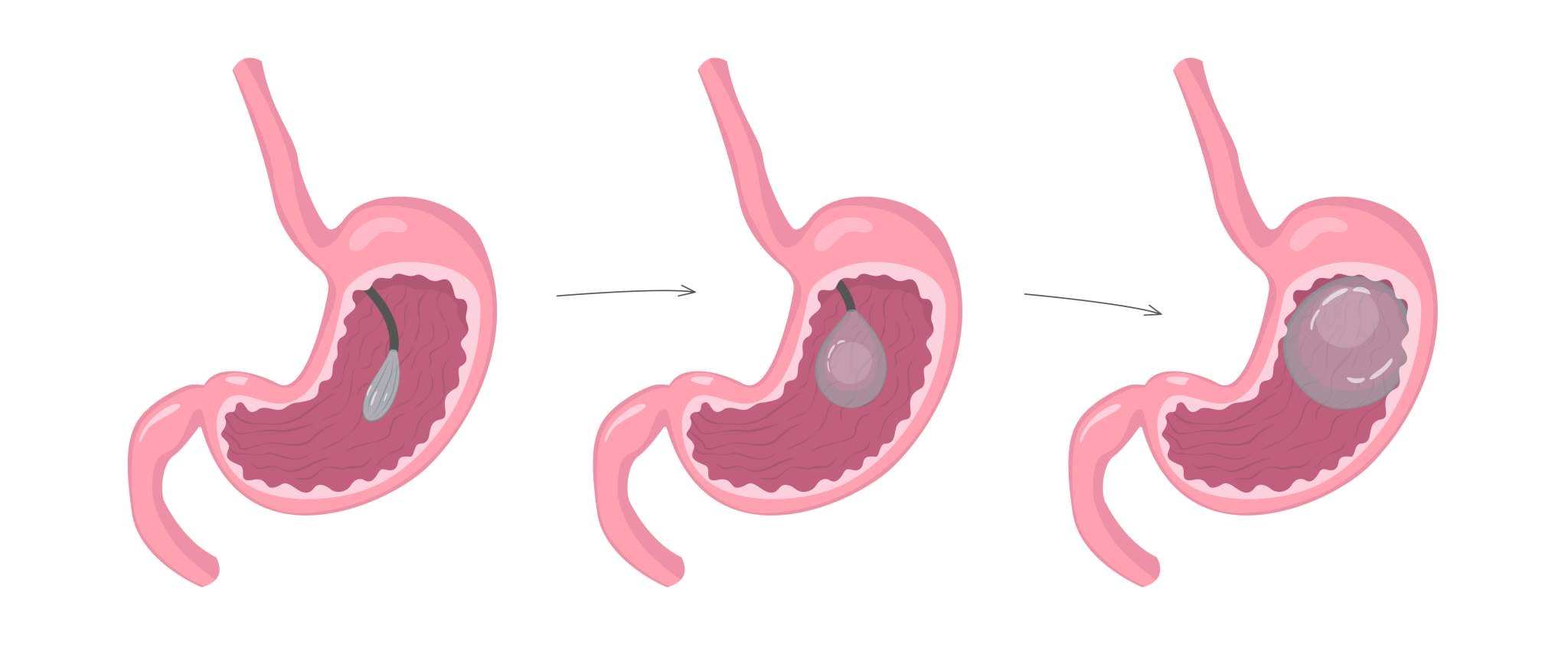
Explore the gastric balloon to better understand how it works and what to expect.
How Gastric Balloon Supports Weight Loss
Gastric balloon treatment supports weight loss by helping with fullness and portion control. With less available space in the stomach, many patients feel satisfied with smaller meals.
The balloon can also act as a structured reset period. During the time the balloon is in place, patients have an opportunity to build better eating habits, improve portion awareness, and follow a more intentional nutrition plan.
Why Patients Choose Gastric Balloon Treatment
Patients often consider gastric balloon treatment when they want a less invasive option than bariatric surgery. It may appeal to people who are not ready for surgery, prefer to avoid permanent anatomical changes, or want a temporary treatment to support behaviour change.
For selected patients, the balloon may be a practical first step. For others, it may be part of a larger bariatric treatment discussion that also includes gastric sleeve, gastric bypass, revision surgery, or structured dietary support.
Learn more about gastric balloon treatment at Panacea Clinic.
Which Option Helps You Lose More Weight?
When comparing weight-loss potential, gastric sleeve surgery generally leads to greater and more durable weight loss than gastric balloon treatment.
Gastric sleeve is a permanent surgical procedure that physically reduces stomach size and can influence appetite signals over the long term. Because of this, it is often considered for patients who need more substantial weight loss or who have struggled for years with obesity and related health conditions.
Gastric balloon treatment can still support meaningful weight loss, but it is usually more modest. Panacea’s gastric balloon program describes an average reduction of approximately 10–15% of body weight in 16 weeks for appropriate patients. This can be an important result for someone seeking a non-surgical option, but it is not the same level of intervention as bariatric surgery.
Total Body Weight vs Excess Weight Loss
One reason gastric sleeve and gastric balloon can be confusing to compare is that weight-loss results are often described differently.
Gastric balloon results are often discussed as a percentage of total body weight. For example, losing 10% of total body weight means a person who weighs 250 pounds loses about 25 pounds.
Gastric sleeve results are often discussed as a percentage of excess weight loss. Excess weight means the amount of weight above a healthier target range. This can make the percentage look different from total body weight loss.
Because of this, patients should avoid comparing percentages without context. The most useful question is not only “How much weight can I lose?” but also “Which option matches my health needs, goals, and willingness to commit to long-term change?”
Which Option Is Less Invasive?
Gastric balloon treatment is less invasive than gastric sleeve surgery.
The gastric balloon does not require stomach removal, intestinal rerouting, or surgical incisions. It is temporary and designed to support weight loss without permanently changing the digestive system.
Gastric sleeve surgery is more invasive because it is a surgical procedure. It requires general anesthesia, laparoscopic surgical access, stomach reduction, and a longer recovery period. However, that added level of intervention is also part of why gastric sleeve can offer stronger long-term weight-loss potential for the right patient.
If your main priority is avoiding surgery, the gastric balloon may feel more approachable. If your main priority is more significant and lasting weight loss, gastric sleeve may be the more appropriate option.
Which Option Is Better for Long-Term Weight Loss?
For long-term weight loss, gastric sleeve surgery is usually the stronger option.
Because gastric sleeve permanently reduces stomach size, it continues to provide a physical restriction after recovery. Patients still need to follow proper nutrition, exercise, and follow-up guidance, but the procedure itself remains part of their long-term weight-management toolset.
Gastric balloon treatment is temporary. Once the balloon is no longer in place, long-term success depends on whether the patient has built sustainable habits around eating, activity, portion control, and follow-up care.
This does not mean the balloon is ineffective. It means the balloon is different. It may be a helpful temporary tool for patients who want structure, accountability, and a non-surgical push toward better habits.
Which Option Has a Faster Recovery?
Gastric balloon treatment usually has a faster recovery and less downtime than gastric sleeve surgery.
After gastric balloon placement, patients may experience nausea, cramping, reflux, bloating, or discomfort as the stomach adjusts. These symptoms are often most noticeable early on and typically improve with time and medical guidance.
Gastric sleeve surgery requires a more involved recovery. Patients need time for surgical healing, a staged diet progression, and gradual return to normal activities. Many patients move from liquids to soft foods and then to more regular textures under medical guidance.
The recovery difference is one of the main reasons some patients start by asking about the gastric balloon. However, recovery time should not be the only factor. The better question is which option gives you the right balance of safety, effectiveness, and long-term suitability.
Risks and Considerations: Gastric Sleeve vs Gastric Balloon
Both treatments have risks and require medical assessment. Non-surgical does not mean risk-free, and surgical does not mean inappropriate. The safest option is the one that is selected carefully based on your health history and performed in the right clinical setting.
Gastric Sleeve Risks and Considerations
Possible considerations with gastric sleeve surgery may include:
- Bleeding
- Infection
- Blood clots
- Reactions to anesthesia
- Staple-line leak
- Nausea or vomiting
- Acid reflux or worsening GERD in some patients
- Nutritional deficiencies if diet and supplementation are not followed
- Weight regain if long-term habits are not maintained
Gastric sleeve is also considered permanent because part of the stomach is removed. This is why careful evaluation is important before moving forward.
Gastric Balloon Risks and Considerations
Possible considerations with gastric balloon treatment may include:
- Nausea
- Vomiting
- Abdominal discomfort
- Cramping or bloating
- Acid reflux symptoms
- Intolerance of the balloon
- Ulcers or irritation
- Balloon deflation or movement, which is rare but can require urgent medical attention
- Weight regain after removal if lifestyle changes are not maintained
The gastric balloon may be less invasive, but it still requires proper screening, follow-up, and commitment to the recommended plan.
Who May Be a Better Candidate for Gastric Sleeve Surgery?
Gastric sleeve surgery may be a better fit for patients who are looking for a more powerful, permanent weight-loss option.
You may be more likely to consider gastric sleeve if:
- You have struggled with obesity for a long time.
- Diet, exercise, medication, or other approaches have not led to sustainable results.
- You are seeking more significant weight loss than a temporary balloon is likely to provide.
- You are prepared for surgery, recovery, and long-term lifestyle changes.
- You want a bariatric option that reduces stomach size without rerouting the intestines.
- You are comfortable with the fact that the procedure is not reversible.
BMI is also an important part of the assessment. Many bariatric surgery pathways consider surgery for patients with a BMI of 40 or higher, or a BMI of 35 or higher with obesity-related health concerns. Some patients with lower BMIs may be considered depending on their medical situation and the type of treatment being discussed.
For a broader overview, read: Who Is a Candidate for Bariatric Surgery in Ontario?
Who May Be a Better Candidate for Gastric Balloon Treatment?
Gastric balloon treatment may be a better fit for patients who want a temporary, non-surgical option.
You may be more likely to consider gastric balloon if:
- You are not ready for bariatric surgery.
- You want to avoid permanent changes to your stomach.
- You are looking for help with portion control.
- You want a shorter recovery period than surgery.
- You are willing to follow a structured nutrition and lifestyle plan.
- You understand that the balloon is temporary and long-term habits are still required.
The balloon may also be discussed for patients who want to start with a less invasive approach before considering surgery. However, it is not the right fit for everyone. Previous stomach or esophageal surgery, certain gastrointestinal conditions, uncontrolled symptoms, or other medical factors may affect candidacy.
When Gastric Balloon May Be a First Step Before Surgery
For some patients, gastric balloon treatment may be used as a first step rather than a final destination.
A patient may not feel ready for surgery yet but may still want medical support. In that case, a gastric balloon can help introduce structure, reduce portion sizes, and create momentum. It may also help patients better understand what it feels like to eat smaller meals and follow a more intentional weight-loss plan.
In some cases, a patient may begin with the balloon and later consider gastric sleeve surgery if more significant or durable weight loss is needed. This decision should always be made with a bariatric team after reviewing the patient’s results, health history, and goals.
When Gastric Sleeve May Be Better Than Gastric Balloon
Gastric sleeve may be the stronger option when a patient is looking for a more substantial and long-term intervention.
It may be more appropriate when:
- The patient has a higher BMI.
- More significant weight loss is needed.
- Obesity-related health conditions are a major concern.
- Previous non-surgical weight-loss attempts have not been sustainable.
- The patient is ready for a permanent procedure.
- The patient wants a long-term surgical tool rather than a temporary device.
That said, gastric sleeve is not automatically the right answer for every patient. Reflux history, medical risk, previous surgery, eating patterns, and personal goals all need to be reviewed.
What About Acid Reflux or GERD?
Acid reflux is an important factor when comparing bariatric options.
Gastric sleeve surgery can worsen reflux in some patients or contribute to new reflux symptoms after surgery. If you already have significant GERD, this needs to be discussed carefully during consultation.
Gastric balloon treatment may also cause reflux, nausea, or upper abdominal symptoms in some patients while the balloon is in place.
For patients with more significant reflux concerns, another bariatric option such as gastric bypass surgery may sometimes be discussed. This is one reason it is important to compare all suitable bariatric options rather than deciding based on one procedure name alone.
You may also find this helpful: Gastric Sleeve vs Gastric Bypass: Which Bariatric Surgery Is Right for You?
How to Decide Between Gastric Sleeve and Gastric Balloon
The best way to decide between gastric sleeve and gastric balloon is to look at the full picture, not just the procedure itself.
Important factors include:
- Your current BMI
- Your weight-loss history
- How much weight you are hoping to lose
- Whether you have type 2 diabetes, sleep apnea, high blood pressure, high cholesterol, joint pain, or other obesity-related conditions
- Whether you have reflux or GERD
- Whether you have had previous stomach or esophageal surgery
- Your comfort with surgery and anesthesia
- Your ability to follow a staged diet and long-term nutrition plan
- Your expectations around recovery time
- Your budget and whether you are comparing private bariatric surgery options
- Your readiness for long-term follow-up and lifestyle change
A consultation can help determine whether gastric sleeve, gastric balloon, gastric bypass, revision surgery, or another approach is most appropriate.
Bariatric Care at Panacea Clinic in Hamilton
Panacea Clinic offers bariatric surgery and non-surgical weight-loss treatment options in Hamilton, Ontario. The program includes gastric sleeve surgery, gastric bypass surgery, gastric balloon treatment, revision bariatric surgery, and pre- and post-operative diet support.
Care is led by Dr. Anas Al-Kassem, a Royal College-certified general, trauma, and bariatric surgeon with fellowship training in minimally invasive bariatric surgery. Panacea Clinic is located in Waterdown, Hamilton and serves patients from Hamilton, Burlington, Oakville, Mississauga, Toronto, the GTA, and across Ontario.
The clinic is a modern multi-specialty medical and surgical centre with a purpose-built environment for advanced procedures and follow-up care. For patients comparing private bariatric options, the ability to review multiple treatments within one program can make the decision-making process clearer.
If you are unsure whether gastric sleeve or gastric balloon is right for you, the next step is a consultation. A proper assessment can help you understand your options, your candidacy, and what treatment pathway may best support your long-term goals.
Frequently Asked Questions About Gastric Sleeve vs Gastric Balloon
Is gastric sleeve better than gastric balloon?
Gastric sleeve is usually more effective for significant, long-term weight loss, but that does not automatically make it better for every patient. Gastric balloon treatment may be better for patients who want a temporary, non-surgical option and are not ready for bariatric surgery.
Is gastric balloon safer than gastric sleeve?
Gastric balloon treatment is less invasive because it does not involve surgical incisions or stomach removal. However, it still has risks, including nausea, vomiting, reflux, intolerance, and rare complications. Gastric sleeve is a surgical procedure with different risks and a longer recovery period. Safety depends on proper patient selection, medical screening, and follow-up care.
Is gastric balloon considered surgery?
No. Gastric balloon treatment is considered a non-surgical weight-loss option. It does not involve cutting or removing part of the stomach. At Panacea Clinic, the gastric balloon program is designed as a non-surgical option for patients who want support with portion control and weight loss.
Is gastric sleeve permanent?
Yes. Gastric sleeve surgery is considered permanent because a large portion of the stomach is removed. The stomach is reshaped into a smaller sleeve, and the removed portion is not replaced.
How much weight can you lose with gastric sleeve vs gastric balloon?
Weight loss varies by patient. Gastric sleeve usually leads to greater overall weight loss than gastric balloon treatment because it is a permanent surgical procedure. Gastric balloon treatment can still support meaningful weight loss, especially when paired with nutrition, lifestyle changes, and follow-up support, but results are generally more modest.
What happens after the gastric balloon is removed or passes?
After the balloon period ends, long-term success depends on the habits built during treatment. Patients need to continue with healthy eating patterns, portion control, physical activity, and follow-up guidance. Weight regain is possible if old habits return.
Can I get gastric sleeve surgery after gastric balloon treatment?
Some patients may consider gastric sleeve surgery after gastric balloon treatment if they need more significant or longer-term weight-loss support. Whether this is appropriate depends on your health, anatomy, results, and medical assessment.
Which option is better if I have acid reflux?
Reflux history should be reviewed carefully before choosing any bariatric treatment. Gastric sleeve may worsen reflux in some patients, while gastric balloon can also cause reflux symptoms while in place. In some cases, gastric bypass may be discussed for patients with significant GERD. A consultation is needed to compare options safely.
Which option costs less: gastric sleeve or gastric balloon?
Gastric balloon treatment is often priced differently than gastric sleeve because it is non-surgical and does not involve the same operating room, anesthesia, and recovery requirements. However, pricing depends on the clinic, package, follow-up care, and what is included. For more context, read: How Much Does Private Bariatric Surgery Cost in Ontario?
How do I know which weight-loss option is right for me?
The right option depends on your BMI, medical history, reflux symptoms, weight-loss goals, previous treatments, lifestyle readiness, and comfort with surgery. A bariatric consultation is the best way to compare gastric sleeve, gastric balloon, gastric bypass, and other options based on your individual situation.
Explore Gastric Sleeve and Gastric Balloon Options at Panacea Clinic
Gastric sleeve and gastric balloon treatment can both support weight loss, but they serve different types of patients. Gastric sleeve is a permanent surgical option with greater long-term weight-loss potential. Gastric balloon treatment is a temporary, non-surgical option that can help with portion control and structured lifestyle change.
If you are comparing gastric sleeve vs gastric balloon in Hamilton or Ontario, Panacea Clinic can help you understand your options through a personalized bariatric consultation.
Explore bariatric surgery options at Panacea Clinic or contact the clinic to learn whether gastric sleeve surgery, gastric balloon treatment, or another bariatric option may be right for you.
Explore More Bariatric Surgery Educational Resources from Panacea
Who Is a Candidate for Bariatric Surgery in Ontario?
Learn what factors may affect bariatric surgery candidacy, including BMI, health conditions, previous weight-loss attempts, and readiness for long-term lifestyle change.
How Much Does Private Bariatric Surgery Cost in Ontario?
Understand how private bariatric surgery pricing may vary depending on the procedure, facility, surgeon, anesthesia, and aftercare included.
Gastric Sleeve vs Gastric Bypass: Which Bariatric Surgery Is Right for You?
Compare two major bariatric surgery options and learn how gastric sleeve and gastric bypass differ in weight-loss potential, complexity, nutrition, reflux, and long-term considerations.