


Bariatric surgery can be an effective treatment option for people living with obesity, especially when previous weight-loss efforts have not led to lasting results. But not everyone is automatically a candidate, and the right procedure depends on more than weight alone.
In Ontario, bariatric surgery candidacy is typically assessed based on factors such as BMI, weight-related health conditions, previous treatment attempts, surgical risk, and long-term readiness for lifestyle changes. Guidelines have also evolved in recent years, with bariatric surgery now being considered for some patients at lower BMI levels than older eligibility models allowed.
At Panacea Clinic in Hamilton, patients can explore private bariatric surgery options through a personalized consultation with an experienced bariatric team.
What Does It Mean to Be a Candidate for Bariatric Surgery?
Being a candidate for bariatric surgery does not mean choosing a procedure based only on weight or BMI. It means a healthcare team has assessed whether surgery may be appropriate, safe, and likely to support meaningful long-term health improvement.
A proper assessment may include:
- Your BMI and weight history
- Obesity-related health conditions
- Previous weight-loss attempts
- Current medications
- Surgical and anesthesia risk
- Digestive symptoms such as reflux
- Nutrition and lifestyle readiness
- Mental health, support systems, and expectations
- Ability to commit to long-term follow-up
Bariatric surgery is not a quick fix. It is a medical treatment that works best when it is combined with long-term nutrition, lifestyle changes, and continued care. That is why candidacy is based on the full picture of your health rather than a single number.

Common BMI Guidelines for Bariatric Surgery Candidacy
BMI is one of the most common starting points when assessing bariatric surgery eligibility in Ontario, but it is not the only factor.
Many modern guidelines consider metabolic and bariatric surgery for patients with a BMI of 35 or higher. Some patients with a BMI between 30 and 34.9 may also be considered in certain situations, especially when obesity-related health conditions or metabolic concerns are present. The Ontario Bariatric Network’s updated referral eligibility also includes adults with BMI 30–34.9 when adiposity-related comorbidities are present.
Older bariatric surgery pathways often used a BMI of 40 or higher, or a BMI of 35 or higher with at least one obesity-related condition, as the main eligibility threshold. Those criteria are still familiar to many patients, but current guidance recognizes that some patients at lower BMI levels may also benefit from bariatric or metabolic treatment depending on their health profile.
These guidelines do not mean that someone automatically qualifies for surgery. They are used as part of a broader medical assessment. Public and private pathways may also assess patients differently, so it is important to confirm your specific situation through consultation.
Health Conditions That May Support Bariatric Surgery Candidacy
For many patients, bariatric surgery is considered not only because of weight, but because obesity may be contributing to other health concerns. These conditions may affect daily function, long-term health, and overall quality of life.
Health concerns that may be part of the assessment include:
- Type 2 diabetes
- High blood pressure
- Sleep apnea
- Reflux or GERD
- Joint pain or mobility limitations
- Fatty liver disease
- Cardiovascular risk factors
- Metabolic concerns such as insulin resistance
- PCOS-related metabolic challenges
Bariatric surgery may also be considered when obesity is affecting a patient’s ability to move comfortably, sleep well, participate in daily activities, or manage other medical conditions. For some patients with significant reflux, gastric bypass surgery may be discussed because it can be more suitable than some other procedures in reflux-related cases.
The goal of assessment is not only to determine whether weight loss is needed. It is to understand how obesity is affecting your health and which treatment option may offer the most appropriate balance of benefit, safety, and long-term support.
When Gastric Sleeve Surgery May Be Considered
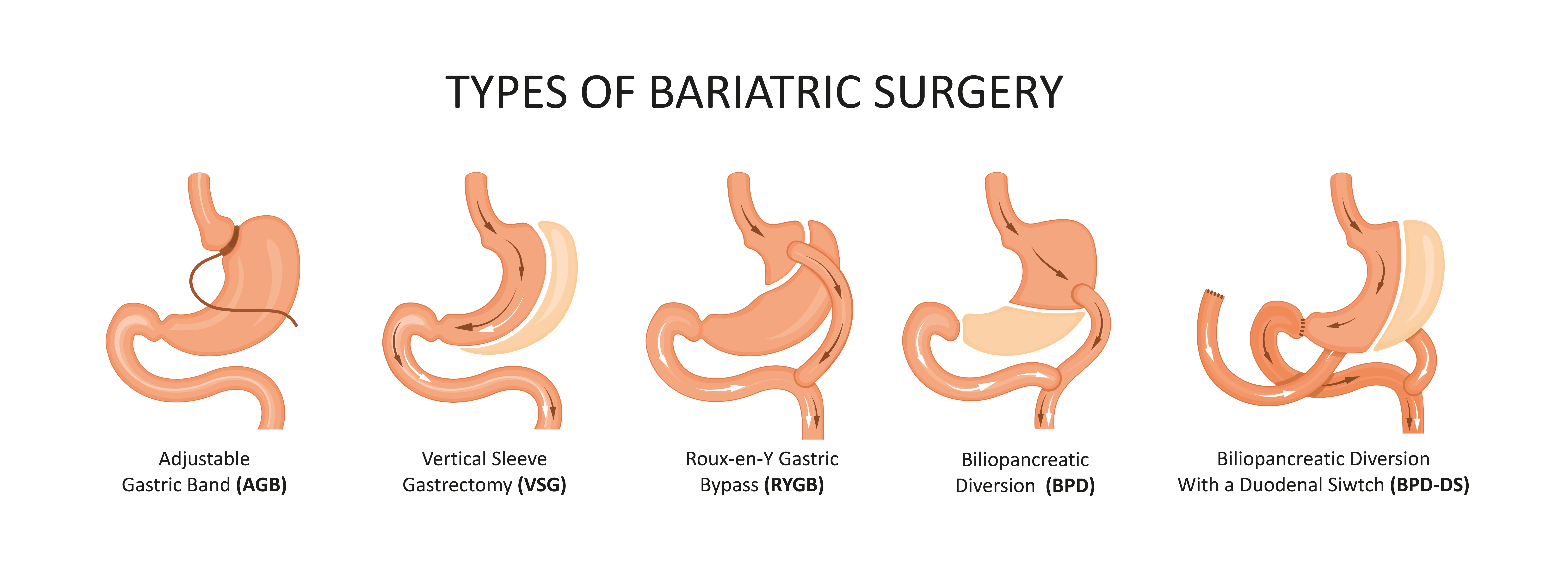
Gastric sleeve surgery may be considered for patients who are seeking a surgical weight-loss option that reduces stomach size and helps them feel full sooner. It is one of the most commonly performed bariatric procedures and works primarily by limiting how much food can be eaten comfortably at one time.
Gastric sleeve surgery may appeal to patients who want a procedure that does not reroute the intestines. It can support significant weight loss when combined with dietary changes, long-term follow-up, and lifestyle commitment.
However, it is not the right option for everyone. Candidacy depends on factors such as BMI, eating patterns, reflux history, previous surgeries, medical conditions, and readiness for long-term nutritional changes. Patients with significant reflux may need a careful discussion about whether sleeve surgery is the most appropriate choice.
When Gastric Bypass Surgery May Be Considered
Gastric bypass surgery may be considered for patients who may benefit from a procedure with both restrictive and metabolic effects. It creates a smaller stomach pouch and reroutes part of the small intestine, changing how food travels through the digestive system.
Because gastric bypass affects both food intake and nutrient absorption, it may involve different nutritional considerations than gastric sleeve surgery. Patients need to be prepared for long-term supplementation, follow-up, and careful attention to diet.
Gastric bypass may be discussed for patients with certain metabolic concerns, higher weight-loss needs, or reflux history. The decision depends on the patient’s medical profile, surgical risk, and long-term goals.
When Gastric Balloon Treatment May Be Considered
Gastric balloon treatment may be considered for patients looking for a temporary, non-surgical weight-loss option. Unlike sleeve or bypass surgery, the balloon is placed temporarily and does not permanently alter the stomach or intestines.
This option may be appropriate for some patients who are not ready for surgery, prefer a less invasive approach, or want additional support with portion control. It may not produce the same level of weight loss as bariatric surgery, but it can be a helpful option for selected patients depending on BMI, health history, goals, and willingness to follow a structured lifestyle plan.
A medical assessment is still important. Non-surgical does not mean suitable for everyone, and patients need to understand the expectations, follow-up, and lifestyle changes involved.
Who May Need Revision Bariatric Surgery?
Patients who have already had bariatric surgery may be assessed for revision bariatric surgery if they are experiencing weight regain, inadequate weight loss, reflux, complications, or concerns related to a previous procedure.
Revision cases are highly individualized. They may involve a previous gastric sleeve, gastric bypass, gastric band, or another bariatric procedure. In some cases, the issue may be related to anatomy changing over time. In others, symptoms such as reflux, discomfort, or poor restriction may need to be investigated.
Revision surgery usually requires a detailed review of the patient’s surgical history, current anatomy, symptoms, and goals. It is often more complex than a first-time bariatric procedure, which makes careful assessment especially important.
Factors That May Affect Whether Bariatric Surgery Is Right for You
Candidacy is not based on one number alone. A patient may need to be assessed based on the full picture of their health, goals, risks, and readiness for long-term change.
Important factors may include:
- BMI and long-term weight history
- Previous weight-loss attempts
- Obesity-related health conditions
- Reflux or digestive symptoms
- Previous abdominal or bariatric surgery
- Medication history
- Smoking status
- Mental health and support system
- Ability to follow nutrition guidance
- Surgical and anesthesia risk
- Long-term expectations
The lifestyle commitment after surgery is also important. Bariatric surgery changes how much you can eat and, depending on the procedure, how your body absorbs nutrients. Long-term success depends on follow-up, food choices, hydration, supplements when recommended, and realistic expectations.
For many patients, bariatric pre- and post-operative diet support is an important part of preparing for surgery and adjusting safely afterward.
Public vs Private Bariatric Surgery Candidacy in Ontario
In Ontario, publicly funded bariatric surgery is usually accessed through referral-based pathways with defined eligibility criteria. These pathways can be appropriate for many patients and are an important part of the healthcare system.
Private bariatric surgery may provide a different access route for patients who want to explore treatment more directly, but it still requires proper medical assessment. A private pathway does not mean automatic approval. Patients still need careful screening, informed consent, and a clear plan for follow-up and long-term care.
For patients exploring private bariatric surgery in Hamilton, a consultation can help clarify which options may be available, whether surgery or a non-surgical bariatric treatment may be appropriate, and what the next steps would look like.
Bariatric Surgery Consultation at Panacea Clinic in Hamilton
At Panacea Clinic in Hamilton, bariatric surgery candidacy is assessed through a personalized consultation. Patients can explore surgical and non-surgical options, including gastric sleeve surgery, gastric bypass surgery, gastric balloon treatment, and revision bariatric surgery, within a comprehensive bariatric program led by Dr. Anas Al-Kassem, a Royal College-certified bariatric surgeon with fellowship training in minimally invasive bariatric surgery.
Panacea Clinic serves patients from Hamilton, Burlington, Oakville, Mississauga, Toronto, and across Ontario and Canada who are considering private bariatric care. The goal of consultation is to help each patient understand their options clearly, review whether they may be an appropriate candidate, and choose a pathway that aligns with their health needs and long-term goals.
Finding Out If You Are A Candidate for Bariatric Surgery
If you are wondering whether you are a candidate for bariatric surgery in Ontario, the most important next step is a proper medical assessment. BMI, health conditions, previous treatments, procedure goals, surgical risk, and long-term readiness all play a role in determining whether surgery or another bariatric option may be appropriate.
Both surgical and non-surgical bariatric treatments can support meaningful progress for the right patient, but the best option depends on your individual situation. A consultation can help you compare your options, ask questions, and decide whether bariatric surgery is the right path for your health goals.
To begin exploring your options, visit Panacea Clinic’s bariatric surgery program or contact the clinic to request a consultation.
Frequently Asked Questions About Bariatric Surgery Candidacy in Ontario
What BMI do you need for bariatric surgery in Ontario?
BMI is one of the main factors used when assessing bariatric surgery candidacy, but it is not the only factor. Many guidelines consider bariatric surgery for patients with a BMI of 35 or higher, and some patients with a BMI of 30–34.9 may be considered depending on weight-related health conditions and individual circumstances. A consultation is needed to determine whether surgery is appropriate.
Can I get bariatric surgery if I have a BMI under 35?
Some patients with a BMI under 35 may be considered for bariatric treatment if they have obesity-related health conditions or specific metabolic concerns. Eligibility depends on a full medical assessment and the type of treatment being considered.
Do I need to try diet and exercise before bariatric surgery?
Most patients considering bariatric surgery have already tried non-surgical weight-loss methods. Bariatric surgery is usually considered when lifestyle changes, medication, or other approaches have not led to sustainable results, or when obesity-related health issues require a more structured intervention.
Is gastric balloon an option if I am not ready for surgery?
Gastric balloon treatment may be an option for some patients looking for a temporary, non-surgical approach to weight loss. It still requires assessment, lifestyle commitment, and follow-up support.
How do I know whether sleeve, bypass, or balloon is right for me?
The right option depends on your BMI, health history, reflux symptoms, weight-loss goals, medical conditions, and readiness for long-term dietary changes. A bariatric consultation can help compare options such as gastric sleeve surgery, gastric bypass surgery, and gastric balloon treatment.
Can revision surgery help after a previous bariatric procedure?
Revision bariatric surgery may be considered for some patients who have had previous bariatric treatment and are experiencing weight regain, reflux, complications, or inadequate results. These cases require individualized assessment.