


When considering weight loss surgery, many patients find themselves choosing between two of the most effective options available: gastric sleeve and gastric bypass. Both procedures have helped countless individuals achieve meaningful, long-term weight loss and improve obesity-related health conditions.
Still, deciding between the two can feel overwhelming. Each procedure works differently, comes with its own benefits and considerations, and may be better suited to certain patients depending on their health, goals, and medical history.
At Panacea Clinic in Hamilton, both procedures are offered as part of a comprehensive bariatric program designed to support patients before, during, and after surgery. Understanding the differences between gastric sleeve and gastric bypass can help you feel more confident as you explore your options.
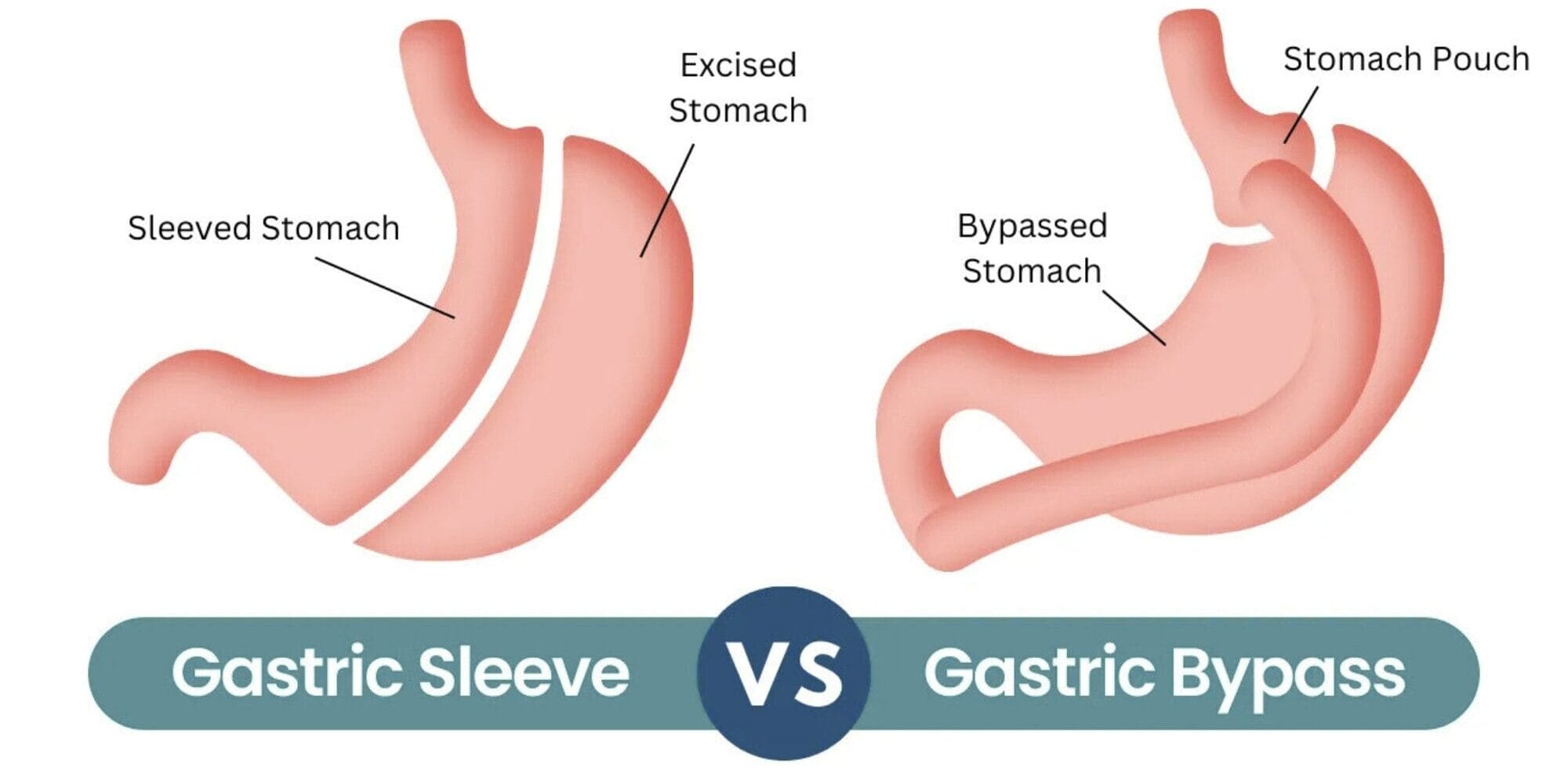
What Is Gastric Sleeve Surgery?
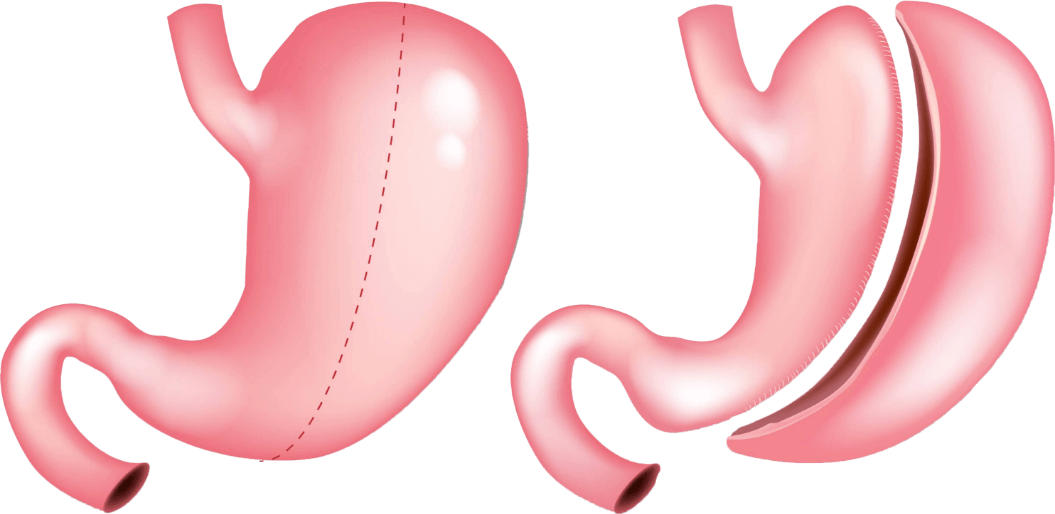
Gastric sleeve surgery, also known as sleeve gastrectomy, is a procedure that reduces the size of the stomach by removing approximately 70–80% of it. The remaining portion forms a narrow, sleeve-shaped stomach.
This procedure works primarily through restriction. With a smaller stomach, you feel full after eating much less food, which naturally reduces calorie intake.
In addition to limiting how much you can eat, gastric sleeve surgery also affects hormones that regulate hunger. The portion of the stomach that produces ghrelin — often referred to as the “hunger hormone” — is largely removed. As a result, many patients experience a noticeable reduction in appetite after surgery.
Unlike some other bariatric procedures, the digestive system is not rerouted. Food continues to pass through the stomach and intestines in a normal pathway, which simplifies digestion and reduces the risk of certain nutritional complications.
Learn more about the gastric sleeve surgery offered at Panacea Clinic.
What Is Gastric Bypass Surgery?
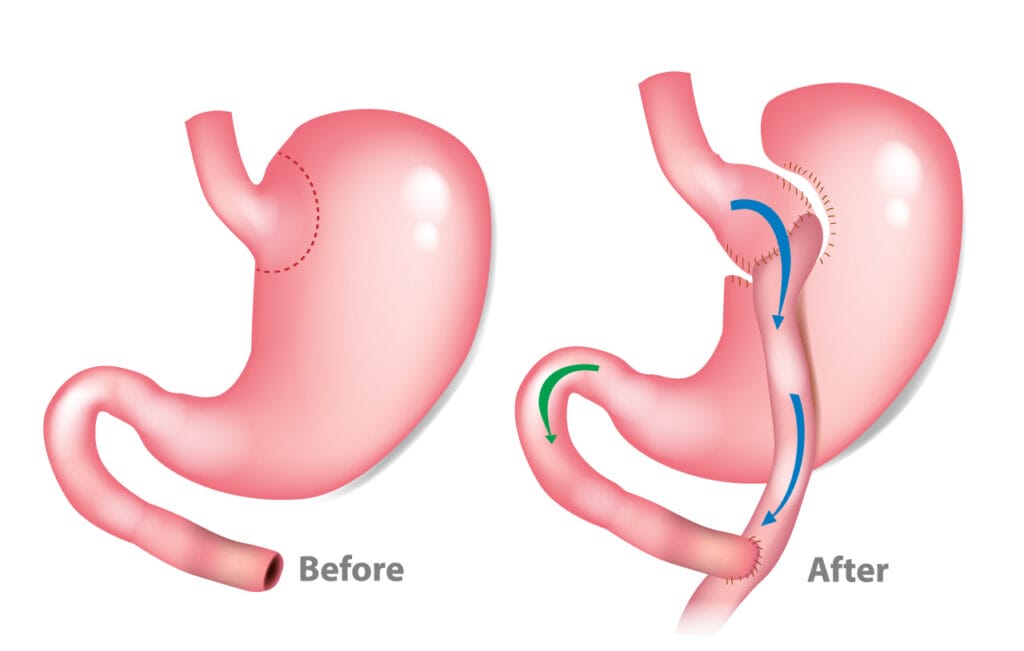
Gastric bypass surgery, or Roux-en-Y gastric bypass, is a more complex bariatric procedure that changes both the size of the stomach and the way food moves through the digestive system.
During the procedure, a small stomach pouch is created, significantly reducing how much food can be consumed at one time. In addition, a portion of the small intestine is bypassed, meaning food does not travel through the full digestive tract.
This creates a combination of restriction and malabsorption. Patients eat less, and the body absorbs fewer calories and nutrients from the food that is consumed.
Gastric bypass also has a strong metabolic effect. It can lead to significant improvements in conditions such as type 2 diabetes, often more quickly than with restrictive procedures alone.
Explore the gastric bypass procedure to better understand how it works and what to expect.
Key Differences Between Gastric Sleeve and Gastric Bypass
Understanding the difference between gastric sleeve and gastric bypass is an important step in choosing the right procedure. While both are effective, they differ in several key ways:
Weight Loss Expectations
- Gastric Sleeve: Typically results in significant weight loss, especially in the first 12–18 months, driven by reduced food intake and appetite.
- Gastric Bypass: Often associated with slightly greater and more rapid weight loss, particularly in patients with higher BMIs or metabolic conditions.
Reversibility
- Gastric Sleeve: A permanent procedure, as part of the stomach is removed.
- Gastric Bypass: Technically reversible in rare cases, but generally considered permanent in practice.
Nutritional Considerations
- Gastric Sleeve: Lower risk of nutrient deficiencies compared to bypass, though supplementation is still required.
- Gastric Bypass: Higher risk of vitamin and mineral deficiencies due to reduced absorption, requiring lifelong supplementation and monitoring.
Surgical Complexity
- Gastric Sleeve: Simpler procedure with a shorter operative time and fewer anatomical changes.
- Gastric Bypass: More complex, involving rerouting of the digestive system.
Impact on Reflux (GERD)
- Gastric Sleeve: May worsen or contribute to acid reflux in some patients.
- Gastric Bypass: Often improves or resolves reflux symptoms, making it a preferred option for patients with significant GERD.
Differences in Cost
Cost may also be part of the decision when comparing gastric sleeve and gastric bypass. Pricing can vary depending on the procedure, facility, anesthesia, and aftercare included. For a broader breakdown, see our guide to private bariatric surgery cost in Ontario.
Which Bariatric Procedure Is Right for You?
There is no one-size-fits-all answer when comparing gastric sleeve vs gastric bypass. The right choice depends on a combination of medical factors, personal goals, and lifestyle considerations.
Some of the key factors that may influence your decision include:
- Body Mass Index (BMI): Higher BMI patients may benefit more from the additional metabolic impact of gastric bypass.
- Health Conditions: Conditions such as type 2 diabetes, sleep apnea, or hypertension may influence the recommended approach.
- Reflux or GERD: Patients with significant reflux may be better suited for gastric bypass.
- Previous Surgery: Prior procedures or anatomical changes may affect which option is feasible.
- Weight Loss Goals: The amount of weight loss desired and long-term expectations play an important role.
A thorough consultation is the most important step in determining which procedure is appropriate. Each patient’s anatomy, history, and goals are carefully assessed to develop a personalized treatment plan.
Recovery and Lifestyle Differences
Both gastric sleeve and gastric bypass require a commitment to long-term lifestyle changes, but there are some differences in recovery and daily life after surgery.
Recovery Timeline
- Gastric Sleeve: Generally involves a slightly shorter recovery period due to the less complex nature of the surgery.
- Gastric Bypass: May require a bit more recovery time, though many patients return to normal activities within a few weeks.
Diet Progression
Both procedures involve a structured dietary progression:
- Liquid diet immediately after surgery
- Gradual introduction of soft foods
- Transition to regular, portion-controlled meals
Patients must adapt to smaller portions, eat slowly, and prioritize nutrient-dense foods.
Long-Term Lifestyle Commitment
Regardless of the procedure, long-term success depends on:
- Consistent dietary habits
- Regular follow-up care
- Ongoing nutritional supplementation
- Physical activity and lifestyle changes
Both procedures are tools — not quick fixes — and work best when combined with a commitment to long-term health.
Risks and Considerations
As with any surgical procedure, both gastric sleeve and gastric bypass carry risks. These are generally low when performed by experienced surgical teams, but it is important to be informed.
General Surgical Risks
- Infection
- Bleeding
- Blood clots
- Reactions to anesthesia
Procedure-Specific Considerations
- Gastric Sleeve: Potential for acid reflux or worsening GERD
- Gastric Bypass: Higher likelihood of nutritional deficiencies, including vitamin B12, iron, and calcium
Both procedures require lifelong follow-up to monitor health, nutrition, and outcomes. With proper care and adherence to medical guidance, risks can be effectively managed.
Bariatric Surgery at Panacea Clinic in Hamilton
Panacea Clinic offers a full range of bariatric surgery options within a modern, purpose-built surgical centre in Hamilton. Care is led by an experienced bariatric team with a focus on safety, precision, and long-term patient success.
The bariatric program includes:
- Gastric sleeve surgery
- Gastric bypass surgery
- Gastric balloon treatment
- Revision bariatric procedures
- Pre- and post-operative dietary support
Patients receive comprehensive care that extends beyond the procedure itself. From initial consultation to long-term follow-up, the focus is on helping individuals achieve sustainable, meaningful results.
Panacea Clinic serves patients across Hamilton, Burlington, Oakville, Mississauga, Toronto, and throughout Ontario and Canada, providing access to advanced bariatric care in a private surgical setting.
Making the Right Choice Between Gastric Sleeve & Gastric Bypass
Both gastric sleeve and gastric bypass are effective, evidence-based treatments for obesity and related health conditions. Each offers its own advantages, and the best choice depends on your individual health profile and long-term goals.
For some, gastric sleeve provides a simpler, highly effective path to weight loss. For others, gastric bypass offers additional metabolic benefits and may better address specific conditions such as reflux or diabetes.
The most important step is speaking with a qualified bariatric team who can guide you through your options and recommend the approach that aligns with your needs.
If you are considering gastric sleeve or gastric bypass, a personalized consultation can help you move forward with clarity and confidence.